
The evolution of gambling through the ages a historical overview
The Origins of Gambling
The history of gambling can be traced back thousands of years to ancient civilizations. Evidence suggests that forms of gambling existed in Mesopotamia around 3000 BCE, with clay dice being used in various games of chance. These early forms of gambling were often tied to religious practices, as people believed that luck was dictated by the gods. In today’s landscape, finding the best sources for such information can include visiting platforms like online casinos australia, where you can discover exciting offerings.

Similarly, in ancient China, around 2000 BCE, games involving betting were documented. The Chinese played a variety of games, some involving the use of tiles, that would eventually evolve into modern gambling games. These early practices set the stage for gambling as a popular leisure activity across different cultures.
The Rise of Gambling in Ancient Civilizations
As civilizations evolved, so did gambling. In ancient Rome, for instance, gambling became a widely accepted pastime among citizens, especially during festivals. Romans placed bets on gladiatorial fights and chariot races, with betting often taking place in public arenas. This societal acceptance contributed to the proliferation of gambling activities.
Meanwhile, in India, the game of Chaturanga, considered a precursor to chess, had elements of wagering. The strategic and chance-based nature of such games captivated players, further embedding gambling within cultural practices. Throughout these ancient societies, gambling was often seen not just as a game but as a way to demonstrate wealth and status.
The Middle Ages to the Renaissance
The Middle Ages marked a significant shift in gambling practices. During this time, many gambling activities were heavily regulated, with authorities often attempting to ban games of chance due to concerns about social order and morality. However, this did not eliminate gambling but rather pushed it underground, leading to secretive games and betting.
With the Renaissance came a resurgence in gambling activities, particularly in Europe. This period saw the introduction of modern card games and the establishment of the first official gambling houses. The introduction of playing cards in the 15th century revolutionized gambling, giving rise to a variety of games like poker and blackjack that we still enjoy today.
The Age of Modern Gambling
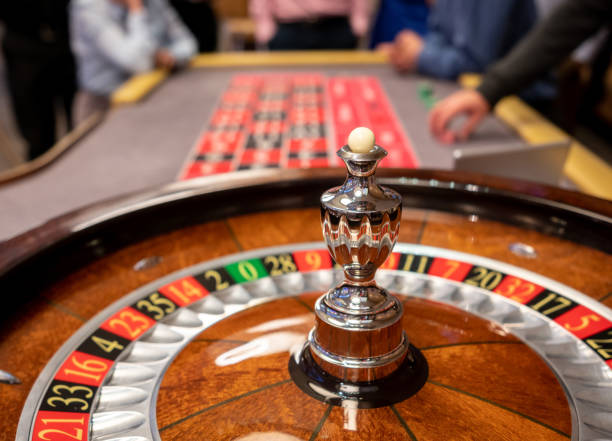
The 19th century marked the emergence of modern casinos, particularly in places like Monaco and Las Vegas. These establishments transformed gambling from a clandestine activity into a glamorous and socially acceptable pastime. The development of roulette and slot machines offered new avenues for entertainment, attracting people from all walks of life.
Technological advancements in the 20th century further propelled gambling into the mainstream. The introduction of electronic gaming machines and the expansion of state lotteries contributed to a booming gambling industry. Casinos began to incorporate a wide array of entertainment options, including live shows and fine dining, making them destinations in their own right.
The Digital Age of Gambling
The rise of the internet has revolutionized the gambling landscape, paving the way for online casinos and betting platforms. This digital evolution has made gambling more accessible than ever, allowing players to enjoy their favorite games from the comfort of their homes. With mobile technology, players can now gamble on the go, contributing to the rapid growth of the online gaming market.
Moreover, the focus on player safety and responsible gaming has become more pronounced. Websites now offer resources for safe gambling practices, ensuring that players can enjoy their experience while minimizing the risks involved. This modern approach reflects a commitment to player welfare, enhancing the overall appeal of online gambling.
